Complaints Procedure for Landscaping Hammersmith
 A clear complaints procedure is an important part of any professional landscaping service. It helps ensure that when something does not go as planned, there is a fair and structured way to raise concerns and resolve them quickly. For a landscaping company, this process should be straightforward, respectful, and focused on practical solutions. Whether the issue relates to workmanship, timing, site cleanliness, or communication, a well-managed landscaping complaints process protects both the customer and the business.
At the heart of an effective landscaping complaints procedure is the principle of accountability. Clients should feel confident that their concern will be taken seriously and handled without delay. The process should begin with a clear statement that all complaints are welcomed as an opportunity to improve service. Rather than viewing dissatisfaction as a setback, a reliable landscaping provider treats it as a chance to review performance, identify what went wrong, and make things right in a professional manner.
Every complaint should be recorded properly, even if it seems minor at first. This creates a useful reference point and helps avoid confusion later. A good record typically includes the date of the issue, the nature of the concern, the stage of the project affected, and the action taken. In landscaping services, this can be especially helpful because many projects involve multiple tasks, from planting and turfing to paving and maintenance. When information is documented clearly, the response can be more accurate and more efficient.
How the Complaint Should Be Handled
The first step in handling a complaint is to acknowledge it promptly. A swift response shows that the concern has been received and is being reviewed. This does not mean the issue must be solved immediately, but it does mean the client should not be left waiting without reassurance. In a landscaping service complaint process, prompt acknowledgment sets a professional tone and reduces frustration.
After acknowledgment, the matter should be investigated carefully. This may involve reviewing the work completed, checking project notes, and assessing whether the problem was caused by a misunderstanding, a design decision, weather conditions, or a delivery delay. The purpose of the review is not to assign blame unnecessarily, but to understand the facts. A fair landscaping complaints procedure depends on objective assessment and respectful communication throughout.
The response should then explain the outcome clearly. If the complaint is upheld, the company should describe what will be done to correct the issue and when it will happen. If the complaint cannot be upheld, the reasoning should be explained in a polite and transparent way. Either way, the client should know that the matter has been reviewed properly. 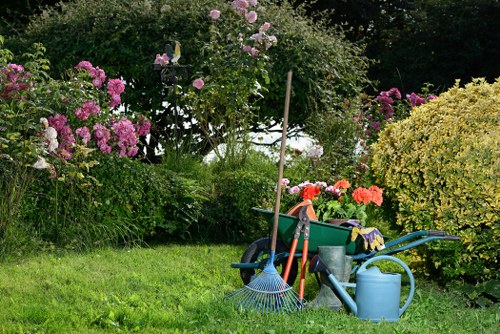 In many cases, a practical resolution might involve reworking part of a garden feature, replacing damaged plants, or adjusting maintenance tasks to meet the agreed standard.
Principles of a Fair Resolution
Fairness is essential in any complaints procedure for landscaping. The process should give each complaint an equal opportunity to be heard, regardless of the project size or the customer’s history. It should also allow time for both sides to provide information. A balanced approach helps ensure that decisions are based on facts rather than assumptions. This is particularly important when services involve living materials, outdoor conditions, and changing site conditions that can affect results.
Consistency also matters. The same standards should be applied from one complaint to the next, so clients receive a reliable service experience. Clear internal steps make it easier for staff to know how to respond and what level of authority they have in resolving issues. In a professional landscaping complaints process, consistency reduces confusion and supports better long-term customer care.
Communication should remain calm, respectful, and solution-focused from start to finish. Even when a complaint is challenging, the goal is to maintain trust and move toward resolution. A courteous tone can make a significant difference, especially when the issue involves visible changes to a garden or outdoor space.  The best outcomes often come from explaining options carefully and agreeing on realistic next steps that both parties can accept.
Review, Escalation, and Follow-Up
Some complaints can be resolved quickly, while others may need a more detailed review. A good procedure should include a second stage for cases that require further attention. This stage allows the issue to be re-examined by a more senior team member or another responsible person. The aim is to ensure that the original response was appropriate and that no important detail was missed. For a landscaping complaints procedure, this added step helps strengthen confidence in the overall system.
If a complaint cannot be resolved immediately, the client should be informed about the expected timeframe for the next update. Clear timelines help manage expectations and show that the issue remains active. Follow-up is equally important once a resolution has been agreed. The business should check that the agreed action has been completed and that the matter has been closed properly. This final stage helps prevent repeat problems and supports a stronger service standard over time.
Internal review should also be used to identify patterns. If similar complaints arise more than once, the company may need to improve training, planning, or quality checks. A strong landscaping service complaints system does more than solve individual cases; it also supports continuous improvement. When a business learns from complaints, it becomes more dependable and better prepared to meet future expectations.
Building Confidence in the Process
The best complaints procedures are easy to understand and easy to use. They should avoid unnecessary complexity and focus on practical steps. Staff should know how to listen carefully, keep records, and respond professionally. Clients should know that if something is not right, there is a clear route to raise it. This openness builds confidence and reinforces the value of a well-run landscaping complaints procedure.
It is also helpful for the procedure to be written in plain language. A legal page does not need to sound distant or overly formal. Instead, it should be clear, calm, and direct. Words like fair, prompt, and transparent reflect the tone that customers expect from a responsible landscaping provider. When a complaint is handled in this way, the result is more likely to be constructive and respectful for everyone involved.
 Ultimately, a well-designed process shows that the business takes its commitments seriously. It gives clients reassurance that concerns will be addressed responsibly, and it encourages staff to maintain high standards across every project. From the first report to the final follow-up, a professional landscaping complaints procedure supports trust, accountability, and better service outcomes.
Conclusion
 A careful and consistent complaints process is a vital part of quality landscaping work. It protects the client experience, helps resolve problems efficiently, and encourages ongoing improvement. By keeping the process simple, fair, and respectful, a landscaping business can handle concerns in a way that reflects professionalism at every stage.
When a complaint is managed well, it becomes more than a problem to solve. It becomes part of a stronger service culture that values responsibility, communication, and practical resolution. That approach is essential for any landscaping complaints procedure designed to support long-term trust and dependable service.